
Sticker price is only the starting point. Many buyers leave thousands of dollars on the table because they negotiate from the wrong number, accept the first offer, or focus only on monthly payments. Recent transaction data shows average discounts off MSRP often land around 5% to 6.5%, with some models and markets reaching 8% to 14% when inventory is high and buyers compare carefully.
This guide covers practical methods that actually move the final price lower — without relying on vague promises. It is for general information only and is not financial or legal advice.
What Buyers Actually Pay vs. Sticker Price
Understanding the main price layers helps set realistic targets:
- MSRP (sticker price): The manufacturer’s suggested retail price — the number most dealers open with.
- Invoice price: Roughly what the dealer paid the manufacturer on paper, typically about 3% to 8% below MSRP depending on brand and model.
- Transaction price: What real buyers paid after discounts and incentives — the most useful benchmark.
- Out-the-door (OTD) price: Sale price plus taxes, fees, and documentation — the only total that matters for your budget.
On an average new vehicle around $50,000, a 5% discount is roughly $2,500. Stronger deals on slower-selling or outgoing models can exceed that. High-demand vehicles may sell closer to MSRP with little room to move.
Ranges vary by model, region, inventory, and timing. Always check recent local transaction data for the exact trim you want.
7 Practical Ways to Lower the Price
1. Research real transaction prices before you visit
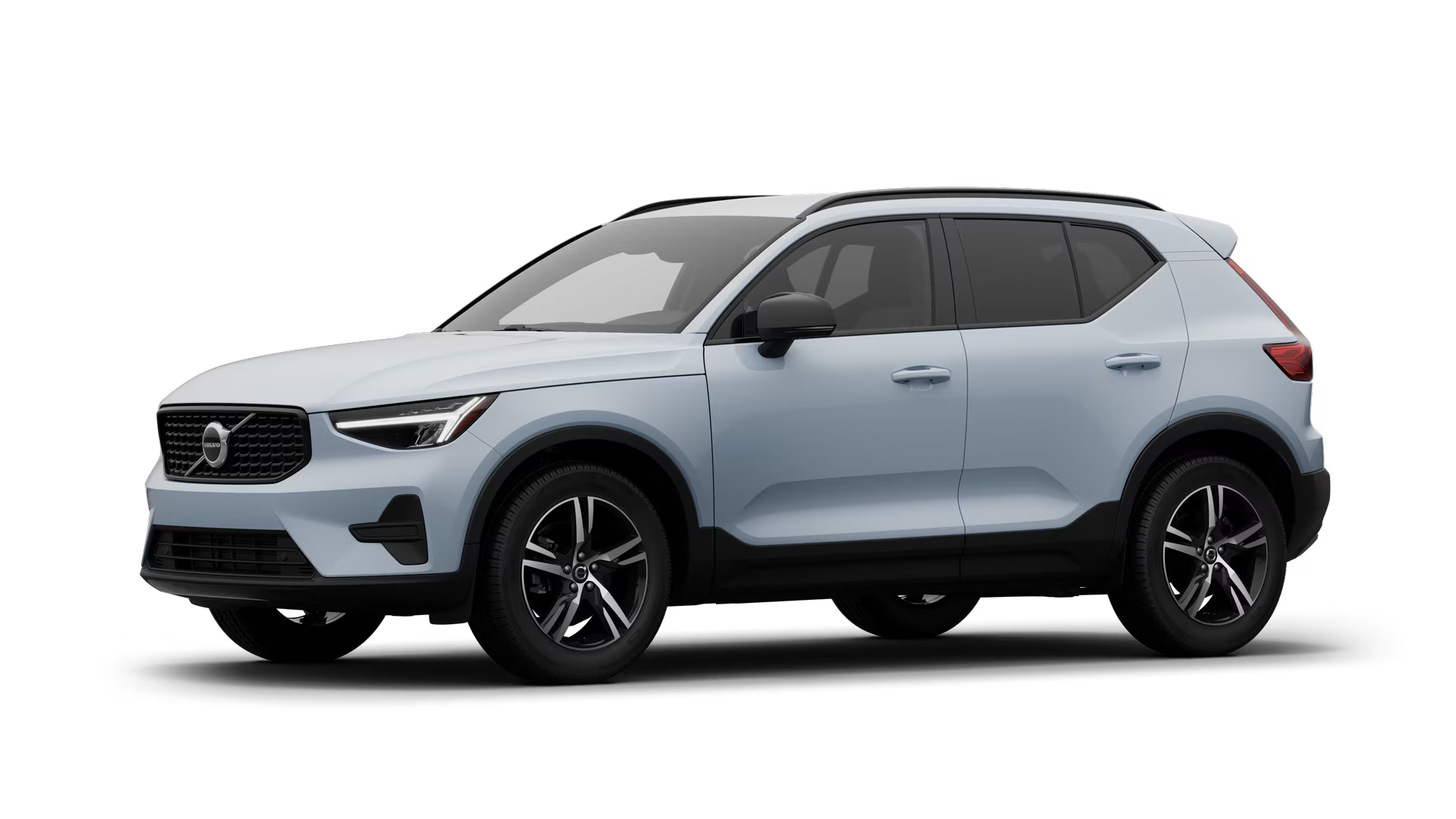
Look up what buyers recently paid for the same year, make, model, and trim in your area. Average national discounts near 5%–6.5% off MSRP are a useful starting point, but local competition and days of supply matter more than a national average.
2. Get multiple written out-the-door quotes
Email or message several dealers with the exact configuration you want and ask for a complete OTD price in writing. Then let them compete. Buyers who compare three or more quotes consistently secure better numbers than those who negotiate with only one dealer.
3. Separate the car price from financing and trade-in
Negotiate the vehicle price first. Only after that number is settled should you discuss financing terms or a trade-in. Bundling everything into one monthly payment makes it harder to see where the dealer’s margin sits.
4. Time the purchase strategically
End of month, end of quarter, and model-year changeover periods often increase dealer motivation. Manufacturer incentives also tend to be stronger around major holidays and year-end clearance. Timing alone will not create a large discount, but it improves leverage when inventory is high.
5. Stack manufacturer incentives carefully
Rebates, special APR offers, and dealer cash can reduce the effective price. Calculate the total cost of each package — a low interest rate is not always better than a larger cash rebate if you plan to pay off the loan early. Enter your ZIP code on manufacturer sites because many offers are regional.
6. Decline unnecessary add-ons
Paint protection, fabric treatments, nitrogen tires, and similar extras are frequently marked up. Ask for the buyer’s order with every line item listed and remove anything you do not want before signing.
7. Know when a used or certified pre-owned option may cost less overall
A one- or two-year-old vehicle with low miles can sometimes deliver similar features at a meaningfully lower total cost than a new unit, especially when new-car incentives are modest. Compare total ownership cost, not just the monthly payment.
The goal is not the lowest advertised monthly payment. It is the lowest clear out-the-door price for the exact vehicle you need, with financing and trade handled separately.
What to Watch For During Negotiation
- Pressure to decide the same day without written numbers.
- Focus only on monthly payment instead of total price and term length.
- Addendum stickers with dealer-installed extras at full retail.
- Vague claims that “this is our best price” before competing quotes exist.
- Financing that is presented as the only option before you check your own pre-approval.
A Simple Step-by-Step Approach
- Choose the exact model, trim, and key options you want.
- Check recent paid prices and current incentives for that configuration.
- Request written OTD quotes from multiple dealers.
- Use the lowest credible quote to ask others to improve their numbers.
- Negotiate the vehicle price first, then financing and trade-in.
- Review every line on the buyer’s order before signing.
- Confirm the final OTD total matches what you agreed.
Frequently Asked Questions
How much can I realistically take off MSRP?
It depends on the vehicle and market. Many mainstream models see average discounts in the mid-single digits. Some trucks, outgoing model years, and slower-selling units see larger reductions. High-demand models may have little or no discount.
Is invoice price the lowest I can go?
Not always. Invoice is a useful reference, but dealers may still earn holdback and incentives even near invoice. On slow-moving inventory, prices below invoice occasionally occur. On hot models, invoice may not be achievable.
Should I focus on monthly payment or total price?
Total out-the-door price and loan terms matter more. A lower monthly payment stretched over more months can cost significantly more overall.
Do I need to visit the dealership to get a good number?
Many buyers secure competitive written quotes by email or online first, then visit only to complete the paperwork on a price they already accept.
Buying a car for less is less about a single magic tactic and more about preparation: know recent transaction prices, collect competing OTD quotes, keep price separate from financing and trade, and refuse extras you do not need. Those steps consistently produce clearer, more favorable numbers than walking in unprepared.

