
Searching for “cheap dental implants” usually means one thing: you want a lasting replacement without overpaying. A single implant is rarely one flat fee. The total depends on the post material, the abutment, the crown, and whether bone grafting or extraction is needed. Understanding those pieces makes it easier to compare quotes and avoid surprises.
This guide breaks down typical U.S. cost ranges, how titanium and zirconia compare, and practical ways to keep the bill lower while still choosing a clinically sound option. It is for general information only and is not medical or dental advice.
What a Single Implant Usually Costs
A complete single-tooth implant in the United States commonly falls between about $3,000 and $6,500. National averages often land near $4,500. That total typically includes three main parts:
- Implant post (fixture): roughly $1,500–$2,500 for titanium; zirconia often runs higher.
- Abutment: about $300–$1,000 depending on stock vs. custom design.
- Crown: about $800–$3,000 depending on material and lab work.
Extra steps can raise the total. Extraction may add a few hundred dollars. A bone graft can range from a few hundred to a few thousand. A sinus lift for upper back teeth is often $1,500 or more. Imaging such as a CBCT scan is frequently billed separately.
Prices vary by region, provider experience, brand, and case complexity. Always request an itemized written estimate.
Titanium vs. Zirconia: Which Material Is More Affordable?
Two main materials are used for the implant post itself:
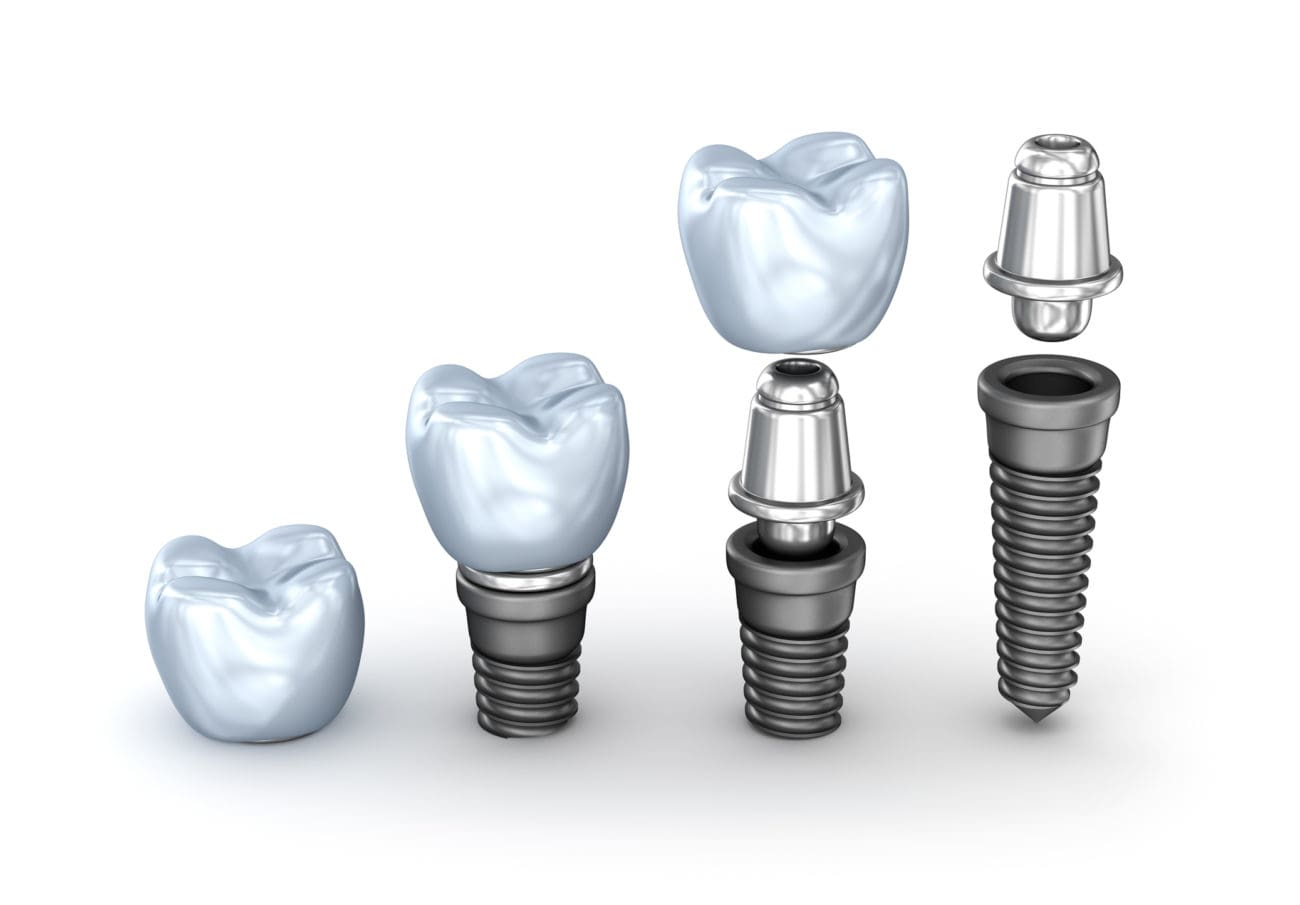
- Titanium: The long-standing standard. Fixture-only costs often fall around $1,600–$2,500. Decades of clinical data support high success rates. Usually the lower-cost option for the post.
- Zirconia: A metal-free ceramic alternative. Fixture costs commonly run about 20–30% higher than comparable titanium options (often roughly $2,100–$3,200). Preferred by some patients for aesthetics or metal sensitivity, with a shorter long-term track record than titanium.
For most patients focused on value, a titanium post paired with a well-made crown is the more economical path. Choosing zirconia mainly for the post can add several hundred dollars or more before the crown is even considered. If the concern is appearance at the gum line, a titanium post with a zirconia or porcelain crown often delivers a natural look without the full zirconia-post premium.
The cheapest advertised “implant” price often covers only the post. Ask for the complete out-the-door cost: post, abutment, crown, imaging, and any grafting.
How Crown Material Affects the Final Price
The visible tooth (crown) also moves the total:
- Porcelain-fused-to-metal (PFM): Often among the more affordable tooth-colored options.
- Monolithic zirconia: Strong and durable; mid-to-higher range.
- Layered ceramic / premium aesthetics: Usually highest cost, especially for front teeth.
For back teeth where strength matters most, a solid zirconia crown on a titanium implant is a common balance of durability and cost. For front teeth, aesthetics may justify a higher-end crown even if the post remains titanium.
Ways to Keep Implant Costs Lower
- Get itemized quotes from more than one provider — compare the same scope (post, abutment, crown, imaging, graft if needed).
- Ask about brand and warranty — well-documented systems may cost more upfront but can reduce long-term risk.
- Clarify what is included — temporary teeth, follow-up visits, and sedation are sometimes extra.
- Check insurance and financing — some plans cover part of the crown or related procedures; third-party financing spreads payments.
- Consider dental schools or teaching clinics — supervised care can cost less in some cities, with longer appointment times.
- Address bone needs early — delaying treatment after tooth loss can increase the chance of grafting later.
Red Flags When Shopping for a Low Price
- Quotes that list only the post with no clear total for abutment and crown.
- Pressure to decide the same day without a written treatment plan.
- No discussion of bone volume, imaging, or alternative materials.
- Unusually low prices with no brand, warranty, or follow-up details.
Simple Steps Before You Commit
- Get a clinical exam and 3D imaging when recommended so the plan matches your bone and bite.
- Request a full written estimate broken into post, abutment, crown, and any add-ons.
- Compare titanium vs. zirconia only after you know whether the post material is the real cost driver in your case.
- Ask about success rates, warranty, and who handles follow-up care.
- Confirm the total you will pay before treatment starts, including any temporary restoration.
Frequently Asked Questions
Is titanium cheaper than zirconia for implants?
Yes, in most U.S. price data the titanium fixture costs less than a comparable zirconia fixture, often by several hundred dollars. The crown and abutment still add to both totals.
What is the cheapest legitimate way to replace one tooth with an implant?
A standard titanium implant with a durable crown, no unnecessary extras, and an itemized quote is usually the most cost-effective complete option. Mini implants or denture-stabilizing systems cost less but are not always suitable as a single-tooth replacement.
Do I always need a bone graft?
No. Grafting depends on bone height and density after tooth loss. Imaging helps determine whether it is required.
Can insurance lower the cost?
Coverage varies widely. Some plans help with the crown or related procedures; many treat the implant post as a limited or excluded benefit. Ask for a pre-treatment estimate from your plan.
Lower-cost dental implants are realistic when you compare complete, itemized quotes and choose materials that match both your budget and clinical needs. For most patients, a titanium post with an appropriate crown offers the strongest balance of proven performance and price. Confirm the full scope in writing before treatment begins so the final number matches what you planned to pay.

